

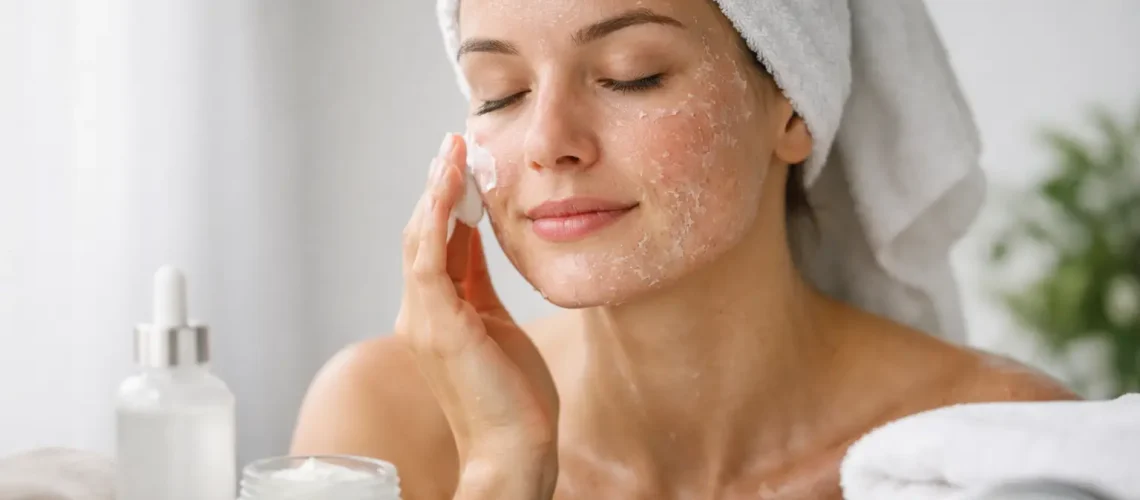
Your skin may look brighter immediately after a chemical peel, but the real transformation happens in the days that follow. Knowing how to care after chemical peel treatment helps protect your skin barrier, support an even recovery, and give your results the polished, radiant finish you were hoping for.
A chemical peel is designed to encourage renewal by exfoliating damaged surface cells. That process can leave skin temporarily sensitive, tight, flushed, or flaky. Those reactions are often expected, but your aftercare should always reflect the type and depth of peel you received, your skin history, and the personalized instructions from your provider. When in doubt, your provider’s guidance comes first.
How to Care After a Chemical Peel: The First 24 Hours
Think of the first day as a quiet recovery period for your complexion. Your skin has been professionally treated, so this is not the time to test a new serum, schedule a workout, or catch up on household projects in the sun.
Keep your routine simple. If your provider says it is appropriate to cleanse, use cool to lukewarm water and a gentle, fragrance-free cleanser. Pat the skin dry with a clean, soft towel rather than rubbing. Follow with only the recovery products recommended for you, usually a soothing moisturizer and broad-spectrum sunscreen when you will be exposed to daylight.
Some warmth, pinkness, dryness, or mild stinging can occur, particularly with a more active peel. A cool compress may feel calming, but avoid applying ice directly to the face. Also skip hot showers, steam rooms, saunas, heated yoga, and strenuous exercise for at least the first day, or longer if your provider recommends it. Heat and sweat can intensify redness and irritation.
Makeup is best avoided immediately after treatment unless your provider has told you otherwise. Freshly treated skin benefits from a break from brushes, sponges, pigments, and the friction that comes with applying and removing cosmetics.
Protect Your Skin From the Sun
Sun protection is the most valuable part of chemical peel aftercare. Newer skin is more vulnerable to UV exposure, and unprotected sun can contribute to prolonged redness, irritation, and unwanted darkening.
Apply a broad-spectrum SPF 30 or higher every morning once your provider has cleared you to do so. Reapply when you are outdoors, driving for extended periods, or near windows with strong sunlight. A wide-brimmed hat and shade add another layer of protection, especially in the first week when your skin may be more reactive.
This does not mean you need to stay indoors. It means being intentional. A brief walk with sun protection is different from spending an afternoon poolside or working in the yard without a hat. If you are prone to hyperpigmentation or melasma, taking sun avoidance seriously is especially important for preserving an even-looking result.
Let Flaking Happen on Its Own Schedule
For many clients, the most tempting part of recovery begins a few days after treatment, when the skin starts to feel dry or peel in small sheets or fine flakes. Resist the urge to pick, pull, scrub, or exfoliate it away.
Peeling skin is not a sign that you need to help the process along. Pulling at loose skin can create irritation, raw spots, uneven healing, and a higher risk of discoloration. It can also make an otherwise refined result look more inflamed than it needs to.
Instead, moisturize as directed and allow the skin to shed naturally. The degree of visible peeling varies widely. A lighter peel may produce almost no flaking, while a medium-depth treatment may involve more noticeable shedding and downtime. Visible peeling is not the only marker of a peel’s effectiveness, so do not judge your outcome by how much skin you see coming off.
Keep Your Skincare Routine Intentionally Gentle
After a peel, more is not better. Your usual active skincare products may be excellent for maintenance, but they can be too stimulating while your barrier is recovering. Pause ingredients such as retinoids, exfoliating acids, scrubs, benzoyl peroxide, strong vitamin C formulas, and acne spot treatments until your provider advises that it is time to restart them.
Fragrance can also be irritating for compromised skin, even if it has never bothered you before. Choose a simple moisturizer that supports hydration without introducing unnecessary actives. If your skin feels tight during the day, a provider-approved moisturizer can be reapplied rather than reaching for a facial oil, scrub, or corrective serum.
The right timing for resuming active products depends on the peel and your skin’s response. Some clients can gradually return to their usual regimen within several days. Others need a longer reset. This is one reason a personalized treatment plan matters: recovery should not be treated as one-size-fits-all.
What to Avoid While Your Skin Recovers
For the first several days, avoid anything that creates friction, heat, or additional exfoliation. That includes facial scrubs, cleansing brushes, waxing, dermaplaning, at-home peels, and hair removal creams on or near the treated area. Hold off on facials, microneedling, laser treatments, and other skin-focused services until your provider confirms your skin is ready.
There are a few everyday habits worth adjusting too:
- Do not pick at flakes, scabs, or areas that feel rough.
- Avoid tanning beds and intentional sun exposure.
- Skip swimming pools, hot tubs, lakes, and saunas until your provider approves them.
- Use clean pillowcases, towels, and makeup tools when you return to makeup.
- Avoid self-tanning products, especially if your skin is peeling or irritated.
If you have an event coming up, plan conservatively. Skin may look luminous quickly after a light peel, but it can also be temporarily dry, flushed, or flaky. Giving yourself at least a week of breathing room before a wedding, photo session, or major celebration is often more comfortable, depending on the peel selected.
Know What Is Normal and What Needs a Call
Mild redness, tightness, sensitivity, dryness, and controlled peeling are common parts of recovery. The exact timeline varies. Lighter treatments may settle quickly, while stronger peels can require more patience and more attentive aftercare.
Call your provider promptly if you experience increasing pain, significant swelling, blistering, pus, intense itching, a rash, fever, or redness that worsens instead of gradually improving. Reach out as well if you are unsure whether a reaction is expected. It is always better to ask early than to try to troubleshoot irritated skin with additional products at home.
Clients with a history of cold sores should tell their provider before treatment, as facial procedures can sometimes trigger an outbreak. People who are pregnant, breastfeeding, using prescription skincare, managing an inflammatory skin condition, or prone to post-inflammatory hyperpigmentation also benefit from a careful consultation before choosing a peel.
Support Results Beyond the Recovery Window
Once your skin is fully healed, consistency helps extend the refreshed look of your treatment. Daily sunscreen, a balanced home-care regimen, hydration, and professionally guided maintenance treatments can all support smoother texture and a more even tone over time.
At Envious Aesthetics Medspa, chemical peel recommendations should reflect your complexion, concerns, comfort level, and desired downtime. A peel for occasional dullness may look very different from a plan designed for acne marks, sun-related discoloration, or fine lines. Natural-looking skin renewal is rarely about pushing the skin to its limit. It is about choosing the appropriate treatment and caring for it thoughtfully afterward.
Give your skin permission to recover without rushing it. A calm, protected aftercare routine is not an interruption to your results. It is part of the experience that helps your renewed glow appear at its very best.



No comment yet, add your voice below!