

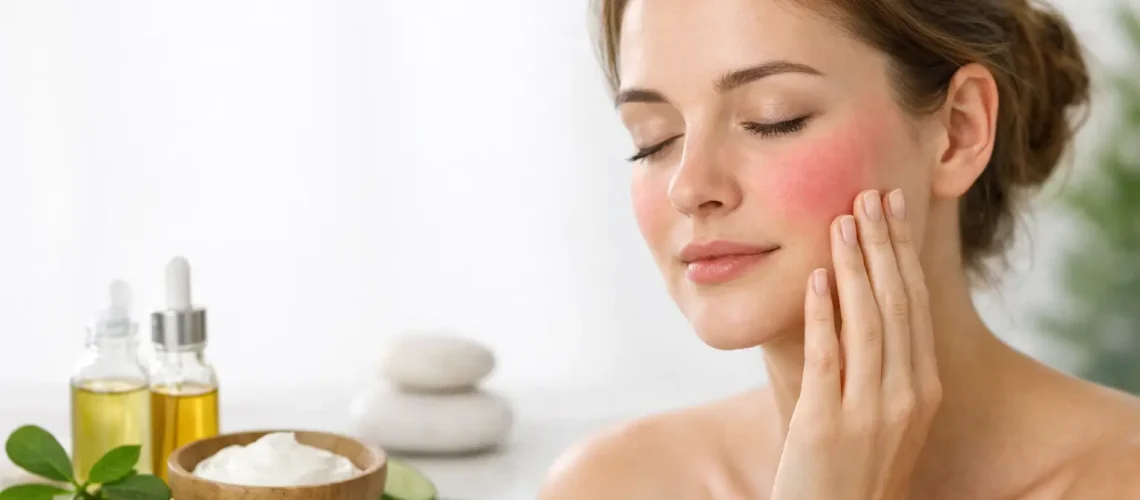
Some redness looks like a quick flush after a workout. Some lingers around the nose, cheeks, or chin no matter what you put on your skin. If you have been searching for how to reduce facial redness, the first step is knowing that redness is not one-size-fits-all. It can come from sensitivity, irritation, rosacea, dryness, heat, over-exfoliation, or even products that are marketed as “active” but are simply too much for your skin.
The good news is that facial redness often improves when you stop treating it like a surface problem and start looking at the full picture – your skin barrier, your triggers, and the treatments you choose. A calmer complexion usually comes from consistency, not intensity.
Why facial redness happens in the first place
Redness is often a sign that the skin is reacting. Sometimes that reaction is temporary, like flushing after sun exposure, spicy food, alcohol, or exercise. Other times it is more persistent and points to a disrupted skin barrier, chronic sensitivity, acne inflammation, or rosacea.
Your skin barrier matters more than many people realize. When that barrier is healthy, it helps keep moisture in and irritants out. When it is compromised, skin becomes more reactive, more dehydrated, and more likely to look pink or inflamed. This is one reason redness can show up after using too many exfoliating acids, retinoids too often, harsh cleansers, or abrasive scrubs.
There is also the question of underlying skin conditions. Rosacea is one of the most common causes of ongoing facial redness, especially across the cheeks and nose. Unlike occasional irritation, rosacea tends to flare and settle in cycles. If your redness burns, stings, or comes with visible blood vessels or acne-like bumps, it may need more than a basic skincare reset.
How to reduce facial redness at home
If your redness is mild to moderate, your daily routine can make a visible difference. The goal is not to throw ten calming products at your skin. It is to lower irritation and support repair.
Start with a gentle cleanser
A cleanser should leave your skin feeling clean, not tight. If your face feels stripped after washing, that product may be part of the problem. Look for a gentle, fragrance-free cleanser that removes makeup, sunscreen, and buildup without foaming aggressively. Cream and lotion cleansers are often a better fit for redness-prone skin than strong gels.
Wash with lukewarm water rather than hot water. Heat can increase flushing and leave sensitive skin feeling more reactive.
Focus on barrier repair
A well-formulated moisturizer is one of the simplest ways to calm visible redness. Ingredients like ceramides, hyaluronic acid, glycerin, niacinamide, and colloidal oatmeal can help support the barrier and reduce the dry, irritated look that often makes redness more noticeable.
That said, even good ingredients depend on your skin. Niacinamide, for example, is soothing for many people, but higher percentages can feel irritating on very sensitive skin. If you tend to react easily, choose simpler formulas and patch test first.
Take a break from overdoing actives
If your routine includes exfoliating acids, retinol, acne treatments, scrubs, cleansing brushes, and multiple serums, your skin may be asking for less. One of the fastest ways to reduce redness is often to simplify.
This does not mean every active ingredient is bad. It means timing and tolerance matter. If your skin is inflamed, scaling back for a few weeks can help restore balance. Once your skin is calmer, you can reintroduce products carefully and one at a time.
Wear sunscreen every day
Sun exposure is one of the biggest triggers for facial redness, and it can worsen rosacea, irritation, and post-inflammatory discoloration. Daily sunscreen is essential if you want a more even-looking complexion.
Mineral sunscreens with zinc oxide or titanium dioxide are often better tolerated by sensitive skin, though some people prefer the feel of certain chemical formulas. The best sunscreen is the one your skin tolerates well enough to wear consistently.
Lifestyle triggers that can keep redness going
Skincare matters, but it is not the whole story. If your face seems to flare randomly, there may be patterns behind it.
Heat is a common trigger. Hot showers, saunas, steam, and time outdoors in high temperatures can all intensify redness. Spicy foods and alcohol can do the same, especially for people with rosacea. Stress also plays a role, which is frustrating because visible redness can create more stress, and the cycle keeps going.
You do not have to avoid every trigger forever. But it helps to notice what consistently causes flare-ups for your skin. A simple journal or notes app can reveal patterns you may not catch day to day.
Sleep, hydration, and overall skin health also matter more than people expect. They are not magic fixes, but they can influence how resilient your skin feels and how quickly it recovers.
When redness may need professional treatment
There is a point where skincare alone stops being enough. If your redness is persistent, worsening, uncomfortable, or paired with visible vessels or frequent flushing, professional guidance can save you time and frustration.
This is especially true if you have already tried “sensitive skin” products and still do not see improvement. Not every red complexion is just sensitive skin. Sometimes it is rosacea. Sometimes it is irritation from hidden ingredients. Sometimes it is a combination of inflammation, dehydration, and environmental triggers.
A personalized consultation can help identify what is actually driving the redness so your treatment plan feels targeted rather than trial-and-error.
Professional options for how to reduce facial redness
The right in-office approach depends on the cause, severity, and condition of your skin. This is where individualized care matters. A treatment that helps one person beautifully may be too aggressive for another.
Customized facials for sensitive, reactive skin
For some clients, redness improves when the skin is professionally supported instead of aggressively treated. A customized facial can help rebalance hydration, calm irritation, and reinforce the skin barrier using products and techniques selected for your skin’s current condition.
This is often a strong starting point if your redness is tied to dryness, sensitivity, dullness, or mild inflammation. It is also a thoughtful option for clients who want skin improvement but prefer a gentle entry point.
Medical-grade skincare guidance
Sometimes the treatment is not a single appointment. It is a better plan. Medical-grade skincare recommendations can help remove the guesswork, especially if your bathroom counter is full of products that are not working well together.
Professional guidance can help you choose the right cleanser, moisturizer, sunscreen, and active ingredients based on your skin type, goals, and tolerance. That kind of curation often leads to better results than constantly switching products on your own.
Treatments for visible redness and texture concerns
If facial redness is tied to broader skin concerns such as uneven tone, rough texture, or recurring inflammation, your provider may recommend advanced skin-rejuvenation options. The key is choosing treatments with restraint and timing. Skin that is already inflamed does not usually benefit from a more-is-more approach.
At Envious Aesthetics Medspa, the best treatment path is always built around the client rather than the trend. That matters when your goal is healthy-looking skin that feels calm, balanced, and naturally refreshed.
Mistakes that can make redness worse
One of the most common mistakes is chasing quick results with strong products. It is easy to assume that if a serum tingles or a peel feels intense, it must be working. For redness-prone skin, that logic often backfires.
Fragrance, essential oils, harsh exfoliants, alcohol-heavy formulas, and frequent product changes can all keep skin in a reactive state. Even makeup removers and wipes can be surprisingly irritating.
Another mistake is covering redness without addressing the cause. Color-correcting makeup can be helpful, and there is nothing wrong with wanting immediate cosmetic improvement. But if your skin is constantly inflamed underneath, the redness usually returns as soon as the makeup comes off.
A calmer complexion usually comes from consistency
If you want to know how to reduce facial redness in a way that lasts, think gentle, steady, and personalized. Strip your routine back to the essentials if your skin feels overwhelmed. Protect your barrier. Watch your triggers. Be careful with trend-driven products that promise a lot but leave your skin irritated.
Most of all, give your skin a plan that matches its needs. Redness can be stubborn, but it is often more manageable than it seems when you stop fighting your skin and start supporting it with the right care. A calm, even complexion rarely comes from doing more. It usually comes from doing what is right for you, with patience and a little expert guidance when needed.

1 Comment
[…] clients who experience frequent flushing, visible redness, or a sensation of heat, the best facial may be one that intentionally does less. Calming facials […]