

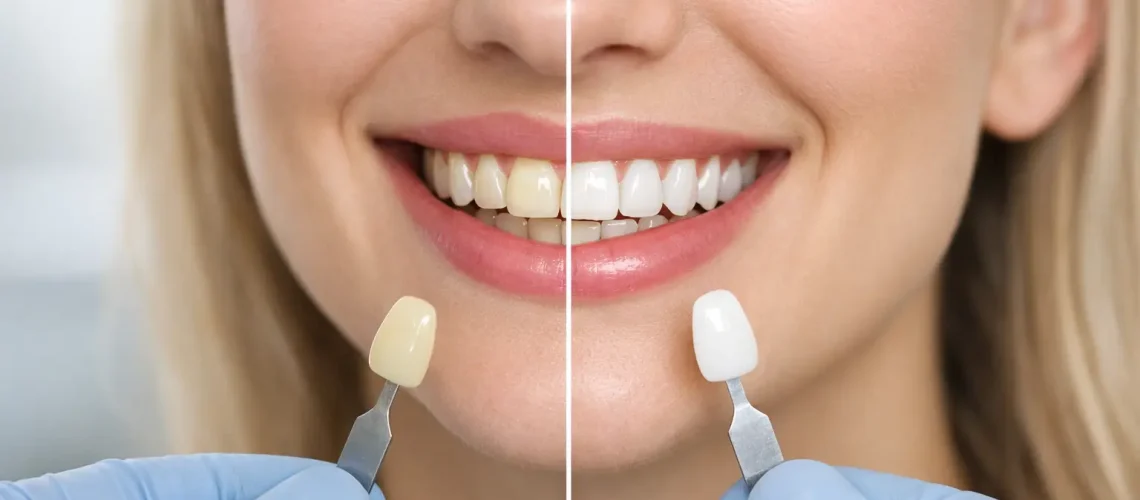
A brighter smile can make a favorite lipstick look more polished, soften the appearance of a tired complexion, and help you feel less hesitant in photos. But the most beautiful teeth whitening before and after results do not look unnaturally white. They look clean, refreshed, and in harmony with your features.
Professional whitening can be a meaningful confidence boost before a wedding, vacation, reunion, or simply because you are ready to invest in yourself. The key is knowing what treatment can realistically change, what influences your final shade, and how to maintain your results with care.
What Teeth Whitening Before and After Results Can Look Like
Whitening works by lifting or lightening stains within the enamel. Before treatment, many clients notice that their teeth appear more yellow, dull, or unevenly toned than they would like. After treatment, the smile often appears brighter, more even, and more luminous without changing the natural shape or character of the teeth.
The most flattering result is personal. One client may want a subtle improvement that still feels completely understated, while another may want a visibly brighter smile for an upcoming event. Your starting shade, the type of discoloration present, and your comfort level all help guide the right goal.
It is also helpful to separate whitening from a total smile makeover. Teeth whitening does not straighten teeth, repair chips, alter tooth shape, or replace old dental work. It enhances the color of natural enamel, which can make the whole smile look more polished even when no other change is made.
Why Every Result Is Different
Online before-and-after photos can be inspiring, but they cannot promise a particular number of shades for every person. Natural tooth color varies widely, and so does the reason teeth have darkened over time.
Surface stains from coffee, tea, red wine, tobacco, and richly colored foods often respond well to whitening. Yellow-toned teeth commonly brighten beautifully, while gray or blue-gray discoloration can be more resistant. Staining related to certain medications, trauma to a tooth, or changes inside the tooth may require a different conversation with a dental professional.
Four details have a meaningful effect on the outcome:
- Your natural enamel shade and thickness
- The cause and depth of discoloration
- The type and strength of whitening treatment used
- Your sensitivity level and ability to complete treatment as recommended
A thoughtful consultation creates room for realistic expectations. Rather than chasing a generic shade, your provider can help you pursue a brighter look that complements your complexion and still feels like you.
Before Your Whitening Appointment
A little preparation helps make the experience more comfortable and more rewarding. Start with a clean foundation. If you are due for a routine dental cleaning or have noticeable plaque buildup, addressing that first can help reveal your true starting shade and allow whitening products to contact the enamel more evenly.
Be candid about tooth sensitivity, gum irritation, cavities, cracked teeth, or dental restorations. Whitening should not be used to cover an underlying dental concern. If you have pain, swelling, bleeding gums, or a damaged tooth, seek dental evaluation before moving ahead with cosmetic whitening.
It is also wise to consider the timing of any upcoming dental work. Crowns, veneers, bonding, fillings, and implants do not whiten like natural teeth. If you plan to replace a visible restoration, whitening your natural teeth first may help your dentist select a restoration shade that blends more beautifully with your refreshed smile.
Before-and-after photographs are useful for more than social sharing. They offer a clear reference point when you look in the mirror every day and may not notice gradual changes. Lighting can influence how white teeth appear, so consistent photos provide a more honest comparison than a single photo taken under flattering conditions.
What to Expect During and After Treatment
Professional whitening is designed to offer a more guided experience than guessing your way through an over-the-counter product. Depending on the approach recommended, treatment may be completed in a visit, through custom take-home instructions, or with a plan that combines professional guidance and at-home care.
Some clients see a noticeable change quickly. Others achieve their preferred shade more gradually. This is not a sign that treatment is failing. A gradual approach can be especially appropriate for clients with sensitivity or those who prefer a soft, natural-looking improvement.
Temporary sensitivity is one of the most common side effects. You may notice a brief zing when breathing in cool air, drinking something cold, or eating a sweet snack. For most people, this resolves shortly after treatment. Let your provider know if you have experienced sensitivity before, as your plan may be adjusted with shorter sessions, spacing between applications, or sensitivity-supporting products.
Your teeth can also look particularly bright immediately after whitening because they are temporarily dehydrated. As enamel rehydrates over the next day or two, the shade settles into its more accurate final appearance. That is why it is best not to judge the final outcome within the first few hours.
How to Protect a Brighter Smile
Whitening is not permanent, but it does not have to be short-lived. The habits that caused staining in the first place will continue to influence your teeth after treatment. A few mindful choices can help preserve your result while still letting you enjoy the foods and drinks you love.
For the first day or two, many providers suggest limiting deeply pigmented foods and beverages, such as coffee, red wine, dark berries, tomato sauce, soy sauce, and cola. Think of freshly whitened enamel as more open to picking up color during this period. Choosing lighter foods, drinking water regularly, and rinsing after a staining beverage can be helpful.
Longer term, consistency matters more than restriction. Brush twice daily with a soft-bristled toothbrush, floss regularly, and keep up with routine dental cleanings. If coffee or tea is part of your morning ritual, you do not necessarily need to give it up. Drinking water afterward and avoiding prolonged sipping can reduce how much contact those pigments have with your enamel.
Touch-up timing depends on your lifestyle, starting shade, and desired level of brightness. Someone who drinks coffee daily may want maintenance sooner than someone whose discoloration was mostly related to a past habit. An individualized plan makes more sense than treating whitening as a one-time appointment with a fixed expiration date.
When Whitening May Not Be the Right First Step
A brighter smile is a lovely finishing touch, but it is not always the first treatment to pursue. Whitening will not change the color of crowns, veneers, dentures, or composite bonding. If those restorations are visible when you smile, treating only your natural teeth can create a mismatch.
Whitening may also be less predictable when discoloration is caused by internal tooth changes rather than everyday staining. In these cases, a dentist can identify whether another cosmetic or restorative option would be more appropriate.
Pregnant or breastfeeding clients, people with significant gum disease, and anyone with untreated dental concerns should speak with their dentist or medical provider before whitening. A responsible aesthetic plan always begins with health, comfort, and the treatment that best suits your individual needs.
A Brighter Smile, Chosen With Intention
At Envious Aesthetics Medspa, cosmetic care is centered on the details that help you feel polished without feeling overdone. Teeth whitening can be a beautiful choice when you want a refreshed smile that still looks entirely your own.
Bring your questions, your event date if you have one, and an honest sense of how bright you would like to go. The right result is not the whitest smile in the room. It is the one that lets you smile freely, speak confidently, and recognize yourself in every photo.



No comment yet, add your voice below!