

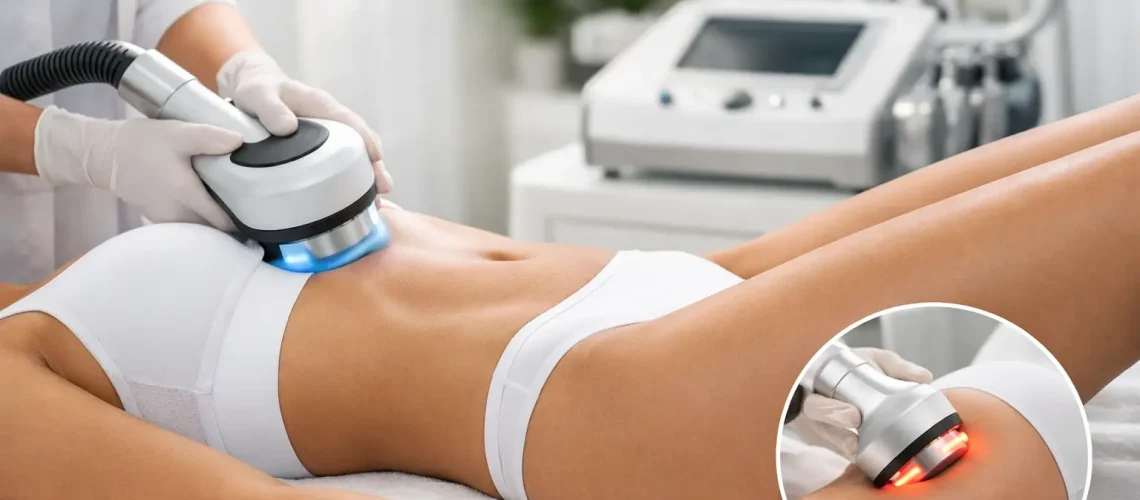
That moment when your weight is fairly stable, your routine is consistent, and certain areas still do not reflect the effort you are putting in can feel especially frustrating. Non surgical body contouring is designed for exactly that in-between space – when you want a more refined shape without surgery, significant downtime, or an overdone result.
For many clients, the appeal is not about chasing perfection. It is about feeling smoother in clothing, more balanced in proportion, and more confident in the mirror. A thoughtful body contouring plan can support those goals, but the best experience starts with understanding what these treatments can and cannot do.
What non surgical body contouring actually means
Non surgical body contouring refers to treatments that target stubborn fat, improve definition, or support a more sculpted appearance without incisions or surgical recovery. Depending on the technology used, treatment may focus on reducing fat cells, tightening tissue, stimulating muscle, or combining more than one of those effects.
This category has grown quickly because it appeals to people who want visible change with a gentler approach. Instead of going straight to surgery, clients can often address smaller contour concerns through a personalized series of treatments. The result is usually more subtle and progressive, which is exactly why many people prefer it.
There is also an emotional piece that matters. A non-surgical treatment path often feels more approachable. You can ask questions, move at your own pace, and build a plan that fits your comfort level, schedule, and budget.
Who is a good candidate for non surgical body contouring?
The best candidate is usually close to their goal weight and wants to address specific areas that seem resistant to healthy habits. Common treatment areas include the abdomen, flanks, thighs, arms, and under the chin, though the right option depends on your anatomy and the technology being used.
Non surgical body contouring is not a replacement for weight loss, and that distinction is important. If your primary goal is to lose a significant amount of weight, a medically guided wellness or weight loss plan may be the better first step. Body contouring tends to work best when the concern is shape rather than the number on the scale.
Skin quality matters too. If laxity is the main issue, a treatment that only targets fat may not give you the look you want. In that case, your provider may recommend a different approach or a combination plan that addresses both volume and firmness.
A strong consultation should never feel rushed. It should include a discussion of your goals, medical history, lifestyle, and what kind of result would genuinely make you feel more confident.
How these treatments work
Different devices use different methods, but most body contouring treatments fall into a few broad categories. Some use controlled cooling or heat to affect fat cells, which the body then processes over time. Others use energy to stimulate collagen and support tissue tightening. Some options focus on muscle contraction to create a firmer, more toned appearance.
What matters most is not memorizing every technology on the market. What matters is choosing a treatment that matches your concern. If you want to reduce a small pocket of fullness at the lower abdomen, that plan may look different from someone who wants a more toned look through the midsection or thighs.
Results are rarely immediate. Most non-surgical contouring treatments work gradually over several weeks as the body responds. That slower progression can feel reassuring for clients who want visible improvement without a dramatic overnight change.
What results should you realistically expect?
This is where honest guidance makes all the difference. Non surgical body contouring can create a more sculpted look, improve proportion, and help clothing fit more comfortably, but it is not magic. Results depend on your starting point, the area being treated, the technology used, and how your body responds.
Many clients notice that the change shows up in everyday moments first. Pants may sit more smoothly at the waist. A fitted dress may feel better through the hips. The mirror may reflect a shape that looks more aligned with how you already care for yourself.
The keyword here is refinement. These treatments are often best for polishing the result, not transforming your entire body. That is not a limitation as much as it is a benefit for clients who want natural-looking enhancement.
If someone promises dramatic results with no nuance, it is worth pausing. The most trustworthy recommendations usually include both possibility and restraint.
The value of a personalized treatment plan
No two bodies hold weight in the same way, and no two clients define success exactly the same way. That is why a one-size-fits-all body contouring package can miss the mark.
A personalized plan considers your treatment area, your skin tone and elasticity, your comfort level, and your timeline. It also takes into account whether body contouring should stand alone or be part of a broader self-care strategy. In some cases, pairing sculpting treatments with weight loss support or skin-focused services can create a more balanced overall result.
This level of customization also protects you from overtreatment. More is not always better. Sometimes the right recommendation is a modest series of sessions with time in between to assess progress. That measured approach tends to support the most elegant, believable outcome.
At a practice like Envious Aesthetics Medspa, that tailored experience is part of what makes the process feel both elevated and reassuring. You are not being fit into a standard formula. You are being guided toward what is most suitable for your body and your goals.
What treatment day is usually like
Many clients are pleasantly surprised by how straightforward body contouring appointments feel. Depending on the service, treatment may be relatively quick and easy to fit into a busy week. Some technologies create sensations of warmth, cooling, pressure, or intense muscle engagement, but discomfort is often manageable and temporary.
You may be able to return to normal activities soon after, which is one of the biggest reasons these options are so appealing. Even so, minimal downtime does not mean zero aftercare. You may have temporary redness, tenderness, swelling, or soreness depending on the treatment.
The best preparation is simple: arrive with realistic expectations, ask every question you have, and follow the guidance you are given after your appointment. A calm, informed client experience tends to be a better one.
How to protect and maintain your results
Body contouring works best when it supports an already healthy rhythm rather than trying to replace one. Hydration, movement, consistent nutrition, and weight stability all play a role in maintaining your results.
If fat cells are reduced in a treated area, that area may look slimmer, but future weight gain can still affect your overall shape. That does not mean your treatment failed. It simply means the body continues to respond to lifestyle changes over time.
Maintenance may also be part of the plan, especially for treatments focused on toning or skin support. Your provider should be clear about whether your expected result is a one-time improvement, a series-based outcome, or something that benefits from periodic upkeep.
That honesty matters because it helps you make a confident decision. The goal is not just to love your result for a week. It is to choose a plan that feels sustainable and worthwhile.
Questions worth asking before you book
If you are considering body contouring, ask what the treatment is designed to improve, how many sessions are typically recommended, when results usually appear, and what kind of result is realistic for your body. It is also smart to ask whether your concern is better treated through fat reduction, skin tightening, muscle toning, or another service entirely.
A good provider should welcome those questions. You deserve clear answers, a treatment plan that makes sense, and a recommendation rooted in your goals rather than a trend.
The right non-surgical treatment can be incredibly rewarding, not because it changes who you are, but because it helps your outer reflection feel more in step with the care you already put into yourself. When the approach is personalized, measured, and expertly guided, body contouring becomes less about chasing an ideal and more about feeling beautifully at ease in your own skin.



No comment yet, add your voice below!