

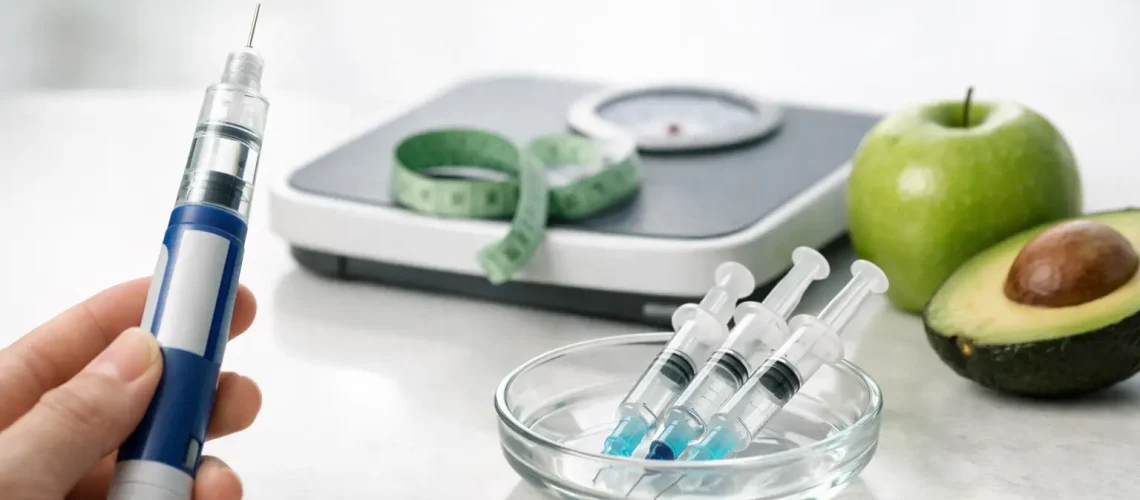
The question, “are weight loss injections safe?” deserves more than a quick yes or no. These medications can be a valuable part of a medically guided weight-loss plan for the right person, but they are not a casual beauty treatment or a one-size-fits-all shortcut. Your health history, current medications, goals, and ability to maintain follow-up care all matter.
For many adults, weight loss is deeply personal. It may be about feeling more comfortable in photos, moving with greater ease, improving health markers, or regaining confidence after years of trying to manage weight alone. A thoughtful plan should honor those goals while keeping your well-being at the center.
Are Weight Loss Injections Safe for Most People?
FDA-approved prescription weight-loss injections are generally considered safe when they are prescribed for an appropriate patient and monitored by a qualified medical provider. Common options work by mimicking natural hormones involved in appetite regulation, digestion, and blood sugar control. They can help some people feel full sooner, reduce food noise, and create more consistent progress alongside nutrition, movement, sleep, and lifestyle changes.
“Generally safe” does not mean risk-free. Every prescription medication has potential side effects, contraindications, and interactions. Safety depends on the specific medication, the dose, how it is obtained, and whether your provider has taken the time to evaluate your complete health picture.
The safest approach is never to start based solely on a friend’s results, a social media transformation, or an online offer that provides little clinical oversight. A beautiful result in aesthetics is built on restraint and personalization. Medical weight loss deserves that same level of care.
What a Proper Medical Evaluation Should Include
Before recommending injections, a responsible provider should review your medical history and talk through your goals. This conversation may include your current weight and health concerns, past weight-loss efforts, medications and supplements, family history, pregnancy plans, and any history of digestive, pancreatic, kidney, gallbladder, thyroid, or eating-related conditions.
Your provider may also review blood pressure, lab work, or other health information when appropriate. This is not meant to make the process feel intimidating. It is how a personalized treatment plan is created with your comfort and safety in mind.
Some people may not be good candidates for certain medications. For example, these medications may be avoided in people with a personal or family history of medullary thyroid carcinoma or multiple endocrine neoplasia syndrome type 2. Pregnancy and breastfeeding are also situations where weight-loss medications are typically not recommended. A provider should discuss your individual circumstances rather than relying on broad promises.
Common Side Effects and What They Mean
Gastrointestinal symptoms are the most common side effects of many weight-loss injections. Nausea, constipation, diarrhea, vomiting, indigestion, bloating, and stomach discomfort can occur, especially when beginning treatment or increasing the dose.
For many clients, these effects are temporary and manageable when medication is started gradually and paired with practical guidance. Smaller meals, adequate hydration, protein-focused nutrition, and attention to how quickly you eat can make a meaningful difference. Your provider may adjust your dosing schedule if symptoms are persistent or uncomfortable.
More serious complications are less common, but they deserve prompt attention. Severe or ongoing abdominal pain, repeated vomiting, signs of dehydration, allergic reaction symptoms, or unusual changes in vision should be discussed with a medical professional right away. Do not dismiss significant symptoms because you are eager to continue losing weight.
Weight loss can also affect more than the number on the scale. Rapid changes may contribute to muscle loss, changes in facial volume, loose skin, or changes in mood and body image. These are not reasons to avoid treatment automatically, but they are meaningful trade-offs to consider. Gradual, supported progress often feels more sustainable and better aligned with long-term wellness.
The Source of Your Medication Matters
Prescription medications should come through a legitimate medical pathway. This protects you from counterfeit products, incorrect dosing, unclear storage practices, and medications that may not contain what the label suggests.
You may hear about compounded versions of weight-loss medications. Compounding can have a legitimate role in specific circumstances, but compounded medications are not the same as FDA-approved products. They are not reviewed by the FDA in the same way for safety, effectiveness, or quality before they reach patients. If a compounded option is discussed, ask direct questions about why it is being recommended, where it is prepared, what active ingredient it contains, and what follow-up support is included.
A price that seems unusually low can be tempting. Still, medication quality and medical supervision are not places to compromise. Your treatment should feel clear, professional, and tailored, never rushed or vague.
Weight Loss Injections Work Best With Ongoing Support
An injection is not the entire plan. It is one tool that may make healthy changes more manageable. The best experience includes regular check-ins, a clear dose plan, and space to discuss appetite changes, side effects, nutrition, energy, and progress beyond pounds lost.
Protein intake is especially valuable during weight loss because it supports lean muscle mass and helps with fullness. Strength training, walking, hydration, and consistent sleep can also support your results. You do not need perfection to make progress, but you do need a plan that fits your real life.
This is also where the right provider relationship matters. You should feel comfortable saying that you are nauseated, worried, not seeing expected changes, or struggling to eat enough. A supportive medical weight-loss program makes room for adjustments. It does not treat a higher dose as the only answer.
Questions Worth Asking Before You Begin
A consultation is your opportunity to understand the treatment, not simply agree to it. Ask which medication is being considered and why it fits your health profile. Ask about expected benefits, common side effects, serious warning signs, dosing, medication source, cost, and how often you will be monitored.
It is also wise to ask what happens if you decide to stop. Appetite and weight can return after discontinuing medication, particularly if lifestyle support is not in place. That does not mean treatment has failed. It means a long-term strategy should be discussed from the beginning, including how you will maintain healthy habits and whether ongoing medication is appropriate for you.
Be cautious if a program guarantees a specific amount of weight loss, skips a detailed health review, offers medication without follow-up, or pressures you to begin immediately. The right plan should make you feel informed and cared for, not sold to.
A More Confident Way Forward
At Envious Aesthetics Medspa, personalized care means looking beyond a trend and focusing on what supports your individual goals, health, and confidence. For some clients, medically guided weight-loss injections may be an appropriate next step. For others, another approach or a conversation with their primary care provider may be the better choice.
The most reassuring answer to “are weight loss injections safe?” is this: they can be, when the medication, medical guidance, and person are the right match. Choose a provider who listens closely, explains options honestly, and treats your progress as part of your overall well-being. The goal is not simply to lose weight quickly. It is to feel supported in creating results you can live with and feel good about.



No comment yet, add your voice below!