

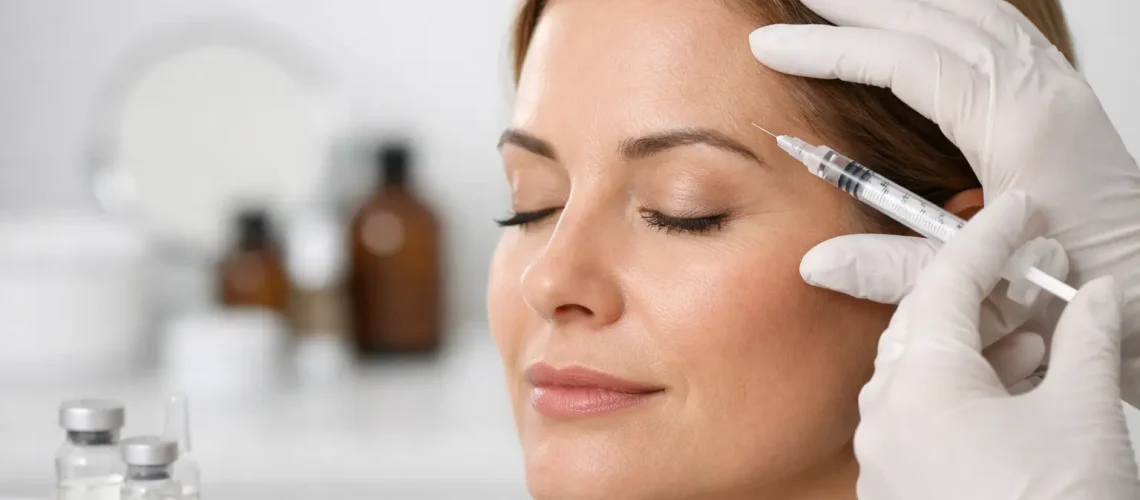
A softened frown line or smoother forehead can make you look more rested without changing the features that make you look like you. That subtle, refreshed result is why so many people ask, are wrinkle relaxers safe before scheduling their first injectable appointment. The short answer is that they can be very safe when they are appropriate for you, administered correctly, and performed by a qualified medical professional.
Safety is not simply about the product in the syringe. It is about your health history, facial anatomy, treatment goals, dosage, injection placement, and the training of the person providing your care. A thoughtful consultation should make you feel informed and comfortable, never rushed or pressured.
What wrinkle relaxers actually do
Wrinkle relaxers are injectable prescription medications made from a purified form of botulinum toxin. They work by temporarily reducing the muscle movement that creates certain expression lines, particularly those on the upper face. Common treatment areas include forehead lines, frown lines between the brows, and crow’s feet around the eyes.
These treatments do not fill wrinkles or add facial volume. Instead, they relax targeted muscles so the skin above them can appear smoother. Results usually develop gradually over several days, with the full effect typically visible within about two weeks. The effect is temporary, often lasting around three to four months, although every person’s experience differs.
Several wrinkle relaxer products have received FDA approval for specific cosmetic uses. Providers may also use an FDA-approved product for an off-label area when, in their medical judgment, it is appropriate. Off-label does not automatically mean unsafe, but it does make an experienced provider and an honest conversation about expectations especially valuable.
Are wrinkle relaxers safe for most adults?
For many healthy adults, wrinkle relaxers have a well-established safety profile when administered by a properly trained, licensed medical professional. They have been used in both aesthetic and medical settings for decades. Still, “safe” does not mean risk-free, and a treatment that is right for a friend, coworker, or social media creator may not be right for you.
The ideal candidate is someone with realistic expectations who wants to soften dynamic lines rather than erase every expression. Natural-looking treatment respects facial movement. You should still look animated, approachable, and like yourself – simply more rested and refreshed.
Your provider should review your medical history before treatment. Be open about all medications, supplements, allergies, prior cosmetic procedures, and any history of reactions to injectables. This information helps your provider determine whether treatment is appropriate and how to approach it conservatively.
When treatment may need to wait
Wrinkle relaxers are generally not recommended during pregnancy or while breastfeeding because there is not enough safety data for these situations. A provider may also advise against treatment if you have an active skin infection at the planned injection site, an allergy to ingredients in the selected product, or certain neuromuscular conditions.
Conditions that affect muscle or nerve function, such as myasthenia gravis, Lambert-Eaton syndrome, or ALS, require particularly careful medical consideration. Some medications, including certain antibiotics or muscle relaxants, may also affect how a wrinkle relaxer works. This does not mean you should make changes to prescribed medications on your own. It means your injector needs the complete picture before proceeding.
The most common side effects are usually mild
Most people return to their normal routines right after an appointment. Temporary effects can include small red marks, mild swelling, tenderness, bruising, or a brief headache. These often resolve within hours to a few days. Bruising can last longer for some clients, especially if they are prone to it or take medications or supplements that affect bleeding.
Occasionally, a treatment may create an effect that is not quite what the client expected. For example, the brows may look temporarily uneven, or the forehead may feel heavier than desired. A drooping eyelid or brow is uncommon, but it can happen if product affects a nearby muscle. Because wrinkle relaxers wear off over time, these effects are usually temporary, though they can be frustrating.
More serious reactions are rare, but they deserve clear attention. Seek urgent medical care if you experience difficulty breathing, swallowing, or speaking; significant muscle weakness; or signs of a severe allergic reaction such as hives, swelling, or wheezing. Your provider should discuss these risks before treatment and give you clear instructions for reaching the practice with concerns.
Why the injector matters as much as the treatment
An expertly placed treatment can look effortless. Poor placement, excessive dosing, or a one-size-fits-all approach can lead to a frozen appearance, asymmetry, or unwanted heaviness. The goal is not to eliminate movement everywhere. It is to understand which muscles are creating the concern, then use the smallest effective approach to support a balanced result.
A qualified injector evaluates more than lines on the surface. They assess brow position, eyelid anatomy, muscle strength, asymmetry, previous treatment history, and how your face moves when you smile, squint, or raise your brows. That level of assessment matters because no two faces move in exactly the same way.
It is also wise to avoid bargain-driven decisions. Deeply discounted injections, parties, or treatment environments that do not feel medical can raise concerns about product sourcing, sanitation, dosing, and emergency preparedness. Cosmetic injectables are medical treatments, even when the appointment itself feels quick and comfortable.
At Envious Aesthetics Medspa, the emphasis is on personalized care and refined results, not a dramatically altered look. A consultation is the place to discuss the details: what you want to soften, what you want to preserve, and whether a wrinkle relaxer is the most fitting choice for your goals.
How to make your appointment safer
Start by choosing a licensed, experienced provider who welcomes questions. Ask what product is being recommended, why it suits your concerns, who will perform the injections, and what training they have. You should feel comfortable asking about possible side effects, expected results, and how the practice handles follow-up care.
Before your appointment, follow the specific guidance your provider gives you. Do not stop prescription medications without medical advice. Depending on your health history, your provider may discuss ways to reduce the chance of bruising, but they should tailor that guidance to you rather than offer a generic checklist.
After treatment, follow your aftercare instructions closely. Your provider may ask you to remain upright for a period of time, avoid rubbing or massaging treated areas, and postpone strenuous activity or heat exposure for the rest of the day. Exact recommendations can vary by provider and treatment area, so your own instructions should take priority.
Give the treatment time to settle before judging the final result. It can take up to two weeks for the full effect to appear. Scheduling a follow-up if one is recommended helps ensure that any adjustments are careful and intentional rather than rushed.
A safe result should still feel like you
The safest aesthetic plan is not always the most aggressive one. For some clients, a small amount of wrinkle relaxer is enough to soften a tense expression while maintaining natural movement. For others, skin care, facials, resurfacing treatments, or a combination approach may better address texture, fine lines, or skin quality.
A good provider will be honest when a treatment is not the best fit, when it should be postponed, or when less is the more beautiful choice. That restraint is part of excellent care. Feeling confident in your treatment should come from knowing your plan was created for your face, your health, and your vision of yourself – not from following someone else’s formula.



No comment yet, add your voice below!