

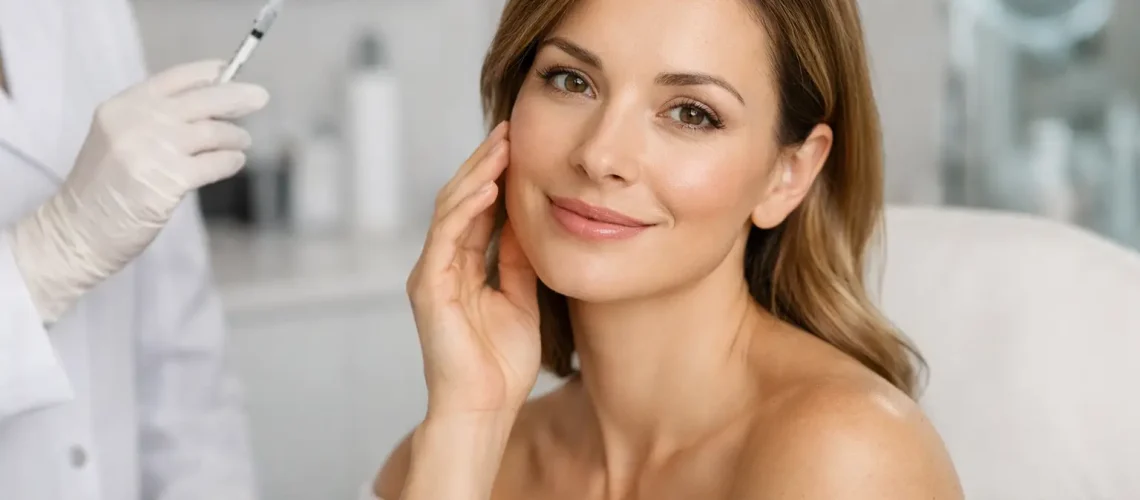
A raised brow, a softened forehead, and a more rested expression can be beautiful outcomes – but no one wants to feel like their face has stopped moving. So, can Botox look natural? Absolutely. When treatment is tailored to your anatomy, expressions, and goals, Botox can soften the lines that bother you while preserving the character people recognize as you.
Natural-looking injectable care is less about doing more and more about doing what is appropriate. The best result is often the one that invites a compliment like, “You look so refreshed,” rather than a question about what you had done.
Can Botox Look Natural Without Looking Frozen?
Yes. The “frozen” look is not an automatic result of Botox. It is usually associated with an approach that does not leave enough room for individual facial movement, treats every face the same way, or uses more product than a person’s goals and anatomy call for.
Botox is a neuromodulator that temporarily relaxes selected muscles. Those muscles create repeated facial movements, such as squinting, frowning, or lifting the brows. Over time, those movements can contribute to visible expression lines. By carefully reducing the strength of specific muscle activity, Botox can create a smoother, more rested appearance.
The goal is not to erase every expression. For many clients, the right goal is to soften lines at rest, reduce the intensity of certain movements, and maintain a face that still looks engaged in conversation, photographs, and everyday life. A natural result may still include some forehead movement or a hint of a smile line. That is not a failed treatment. It can be an intentional, elegant choice.
What Makes Botox Results Look Natural?
Natural outcomes come from thoughtful planning long before the first injection. A skilled provider evaluates the full face instead of treating one wrinkle in isolation. Your brow position, eyelid shape, facial symmetry, muscle strength, skin quality, and habitual expressions all influence where treatment belongs and how much may be appropriate.
The dose should fit your face
A dose that looks beautiful on a friend may not be right for you. Some people have strong forehead muscles and need a different approach than someone with lighter movement. Others may want only a subtle softening before an event, while another client may prefer a more polished result with less visible motion.
Starting conservatively is often a wise path for first-time clients and anyone who values movement. Botox develops gradually, with results commonly becoming more noticeable over the following days and reaching their fuller effect at about two weeks. A follow-up conversation can help determine whether the initial plan achieved the desired balance.
Placement matters as much as product
The forehead, the “11” lines between the brows, and crow’s feet are often discussed as separate areas. In reality, they work together. Treating one area without considering the others can affect the overall expression. For example, brow shape and eyelid heaviness need careful consideration before forehead treatment.
Precise placement helps preserve a balanced appearance. It can also support a result that feels harmonious from every angle, not just in a close-up mirror check.
Your goals need to be specific
“I want to look natural” is a wonderful starting point, but it means different things to different people. One person may mean she wants to keep full eyebrow movement. Another may be comfortable with limited movement but does not want her brows to look overly lifted. Someone else may be most concerned about looking tired or tense when her face is at rest.
A productive consultation turns that broad wish into a clear plan. Bring up the expressions you love, the lines that concern you, and any prior injectable experience. If you have photos where you feel especially confident, they can help communicate your aesthetic preferences.
The Difference Between Refreshed and Overdone
A refreshed look respects proportion. It accounts for the fact that a face naturally moves, changes with emotion, and becomes more expressive when we laugh, speak, or react. Completely eliminating every line is not always the most flattering route, particularly when it creates a contrast between very smooth skin and a face that no longer moves naturally.
There is also a difference between dynamic lines and static lines. Dynamic lines appear primarily with movement. Static lines remain visible when the face is relaxed. Botox can reduce the muscle activity that contributes to dynamic lines, but deeper lines at rest may also reflect skin texture, sun exposure, collagen changes, or volume loss. In those cases, a broader aesthetic plan may be more appropriate than simply adding more Botox.
Depending on your concerns, that plan might include skin-focused treatments, a consistent home skincare routine, or a discussion about other non-surgical options. The most natural-looking results often come from treating the right concern with the right tool instead of expecting one treatment to address everything.
Why an In-Person Consultation Matters
Online photos and before-and-after galleries can be inspiring, but they cannot assess how your own muscles function. An in-person consultation allows your provider to watch how you raise your brows, squint, smile, and frown. That movement assessment is a meaningful part of creating a customized plan.
It is also the time to discuss health history, medications, allergies, pregnancy or breastfeeding status, and previous cosmetic treatments. Botox is not appropriate for everyone, and a qualified provider should review whether it is suitable for you before proceeding.
At Envious Aesthetics Medspa, the conversation is designed to be just as personalized as the treatment itself. A polished result begins with listening: what you notice when you look in the mirror, what feels true to your style, and what level of change will help you feel confident rather than unfamiliar to yourself.
How to Ask for Natural-Looking Botox
You do not need to know the technical vocabulary to advocate for the result you want. Be direct about your priorities. You might say that you want to soften your forehead while keeping some movement, reduce a tense frown without changing your brow shape, or treat crow’s feet while preserving a warm, genuine smile.
It also helps to ask how the provider plans to approach your individual facial anatomy, whether a conservative first treatment makes sense, and when you should return for an assessment. A provider who welcomes these questions is helping you make an informed choice rather than rushing you toward a standard treatment pattern.
Be honest about past experiences, too. If Botox felt too strong, did not last as expected, or produced a brow shape you did not love, share that information. Those details can guide a more refined approach next time.
What to Expect After Treatment
Botox is not a same-day transformation. You may notice small injection-site bumps, redness, or tenderness shortly after treatment. These effects are typically temporary. Your provider will give you personalized aftercare instructions and explain what to avoid immediately following your appointment.
As the treatment settles in, take note of how your face looks both relaxed and in motion. Natural Botox should allow you to recognize yourself. You may see smoother skin, a softer frown, or a less tired appearance, while still being able to laugh, concentrate, and show emotion with ease.
Results are temporary, and maintenance timing varies from person to person. Regular appointments should not become automatic without reassessment. Your preferences, muscle activity, and facial goals can change, so your treatment plan should have room to change with you.
The most beautiful Botox result is not about chasing a perfectly motionless face. It is about feeling polished, rested, and comfortably yourself. Choose a provider who sees your expressions as part of your beauty, then let your treatment enhance what is already there.

No comment yet, add your voice below!