


A beautifully refreshed Botox result begins before you arrive for your appointment. Knowing how to prepare for Botox can help you feel relaxed, give your provider the clearest picture of your goals, and reduce avoidable bruising or scheduling surprises. The goal is never to change the face you recognize in the mirror. It is to soften the lines that distract from your natural expression, with a plan that feels thoughtful, personal, and refined.
Start With the Right Timing
Botox is an excellent option for softening dynamic lines – the creases created by repeated facial movement, such as frown lines, forehead lines, and crow’s feet. It is not an instant treatment, however. Most clients begin to notice a change within several days, with results continuing to settle over roughly two weeks.
If you are preparing for a wedding, photos, a vacation, or another meaningful event, schedule your treatment well ahead of time. Two weeks is generally the minimum window to see the full effect, but three to four weeks provides more breathing room if this is your first treatment or if your provider recommends a follow-up adjustment. Planning ahead also gives any small, temporary injection-site marks or bruising time to resolve.
This timing matters because a natural-looking result is not about rushing. It is about allowing your treatment to settle gracefully and making decisions based on your individual facial movement, anatomy, and desired level of softness.
How to Prepare for Botox Before Your Consultation
Your consultation is where a customized treatment plan takes shape. Come prepared to talk openly about what you see when you look in the mirror. You may notice that you look tired even when you feel rested, that makeup settles into certain lines, or that a furrow between the brows makes you appear more serious than you intend. These observations are useful. They help your provider understand the outcome you want, not simply the area you want treated.
It can also be helpful to bring a few reference photos of yourself from times when you felt especially confident. These are often more valuable than a celebrity image because your treatment should complement your own features and expressions. Botox can soften movement, but it should not erase personality or create a frozen appearance when placed with a balanced approach.
Be ready to share your full health history, including allergies, previous injectable treatments, medications, supplements, and any past reactions. Tell your provider if you have a history of cold sores, a neuromuscular condition, difficulty swallowing, breathing concerns, facial surgery, or an active skin infection near the treatment area. If you are pregnant, trying to become pregnant, or breastfeeding, let your provider know. Botox is typically postponed in these situations as a precaution.
Honesty helps your provider protect your comfort and safety. It also allows them to recommend whether Botox is the right fit now, or whether another treatment, such as a skin-focused service or a different injectable approach, may better support your goals.
Review Medications and Supplements Carefully
One of the most practical ways to prepare is to discuss everything you take, even products that seem minor. Certain medications and supplements may increase the chance of bruising or bleeding at injection sites. Common examples include aspirin, ibuprofen, naproxen, prescription blood thinners, fish oil, vitamin E, garlic supplements, ginkgo, and St. John’s wort.
Do not stop prescribed medication on your own. Instead, ask your medical provider and your Botox provider whether any adjustment is appropriate for you. Your health always comes first, and there is no cosmetic benefit worth taking an unnecessary medical risk.
If your providers approve it, you may be advised to avoid certain nonessential blood-thinning supplements or over-the-counter pain relievers for several days before treatment. Recommendations vary based on your health history and the products you use, so personalized guidance is far more reliable than a one-size-fits-all checklist.
Alcohol can also make bruising more likely for some people. Consider avoiding it for at least 24 hours before your appointment, particularly if you bruise easily or have an event coming up. Hydrate well instead. Healthy hydration will not change how Botox works, but feeling well-rested and well-hydrated makes for a more comfortable visit.
Keep Your Skin Calm Before Treatment
Arrive with clean skin if possible, and skip anything that leaves your face irritated. A gentle cleanser and regular moisturizer are usually all you need on the morning of your appointment. Makeup can be removed in the office if necessary, but starting with a clean face gives your provider a better view of your natural skin and facial movement.
Avoid scheduling aggressive facial treatments immediately before Botox. Chemical peels, microneedling, laser treatments, waxing, or a strong exfoliating routine can leave the skin sensitive or inflamed. How much time you should leave between services depends on the treatment and the area being addressed, so ask your provider to help you coordinate your aesthetic calendar.
If you have a breakout, rash, sunburn, cold sore, or open area near the planned injection sites, contact the office before your appointment. It may be best to reschedule until the skin has healed. This is a small inconvenience that supports a smoother, more comfortable experience.
Plan for a Low-Key Appointment Day
Botox appointments are usually quick, and many clients return to normal activities right away. Still, it is wise to leave room in your schedule. Avoid booking immediately before an intense workout, a hot yoga class, a sauna visit, or an important event where you would prefer zero chance of temporary redness or pinpoint swelling.
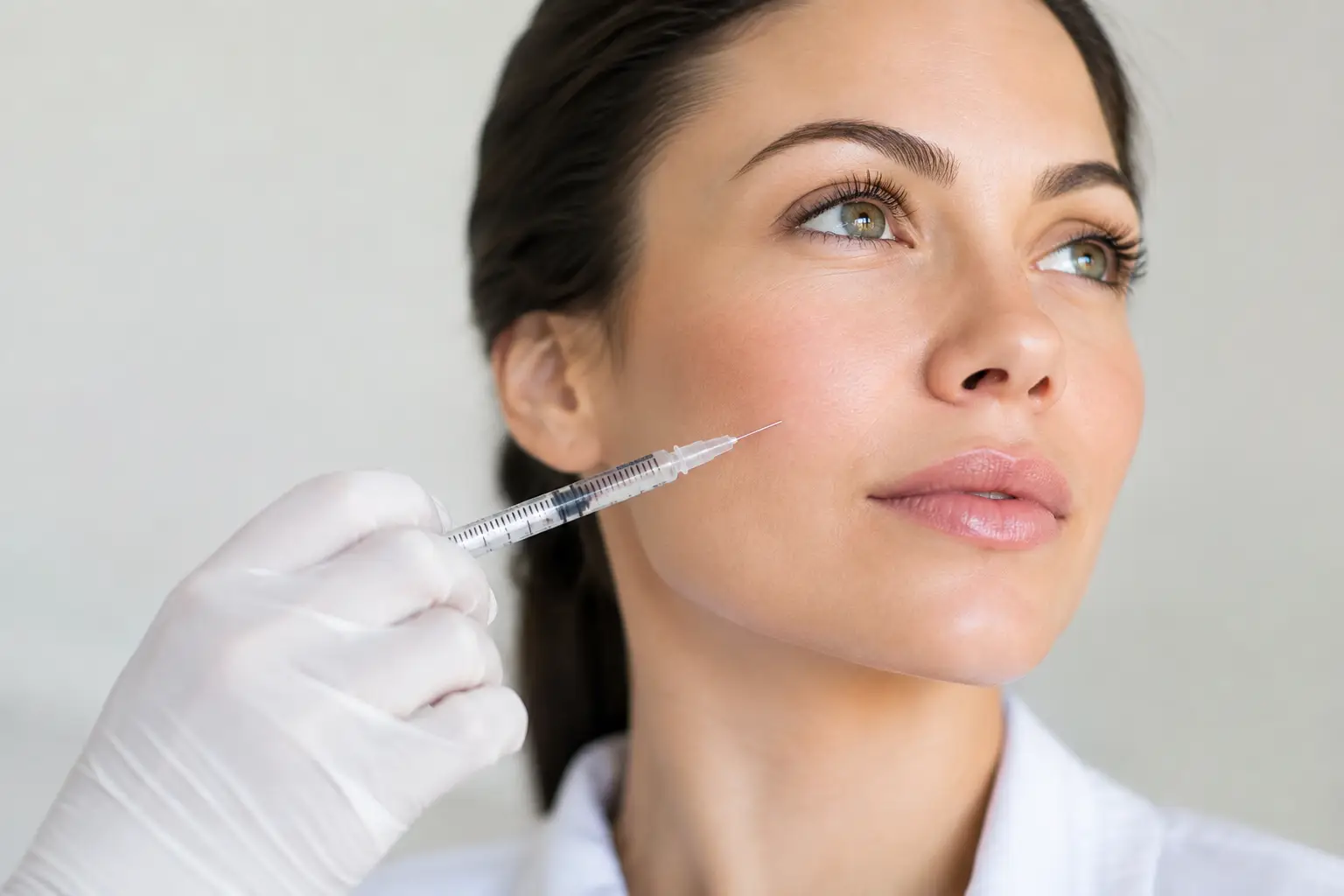
Wear something comfortable and arrive a few minutes early so you do not feel rushed. If you are prone to lightheadedness around needles, have a snack beforehand and let your provider know. Botox is placed with a very small needle, and the injections are brief, but a calm, unrushed environment makes a meaningful difference.
You do not need to overprepare or feel nervous about asking questions. A trusted provider should welcome a conversation about dosage, placement, expected movement, cost, maintenance, and what a natural result means to you. Some clients prefer a subtle first treatment and build gradually. Others have a clear history with Botox and know the level of correction they enjoy. Both approaches can be appropriate when guided by professional assessment.
Know What Happens After Botox
Preparation also means understanding the immediate aftercare instructions before you sit in the treatment chair. Your provider may ask you to remain upright for several hours and avoid rubbing, massaging, or applying pressure to treated areas. You may also be advised to hold off on strenuous exercise, excessive heat, or certain facial services for the rest of the day.
Follow the specific instructions you receive, since aftercare can vary according to the injection areas and your overall treatment plan. If you experience concerning symptoms, such as trouble breathing, swallowing, speaking, or unusual weakness, seek urgent medical care. Serious reactions are uncommon, but knowing when to act is part of informed treatment.
Mild tenderness, redness, tiny bumps, or bruising can happen and usually fade quickly. Resist the urge to judge your result the next morning. Botox needs time to work, and the most polished outcomes often reveal themselves gradually over the following days.
Set Expectations That Feel Good Long-Term
The most satisfying Botox results come from clear expectations. Botox can soften expression lines and help prevent them from becoming more deeply etched over time, but it does not replace lost facial volume, tighten every type of skin laxity, or erase static lines completely. Depending on your concerns, your provider may recommend pairing it with a skin rejuvenation service, a facial, or another customized treatment at a later date.
Results often last about three to four months, although this varies by treatment area, dosage, metabolism, and how expressive your facial muscles are. Regular appointments can help you maintain a consistent, refreshed appearance, but more is not always better. The right amount is the amount that supports your features without overwhelming them.
At Envious Aesthetics Medspa, preparation is part of the elevated experience: a chance to slow down, ask questions, and choose care that feels aligned with your confidence. Give yourself permission to be specific about what you want to preserve. The best Botox plan is not one that makes you look different. It is one that lets you look rested, expressive, and unmistakably like yourself.

No comment yet, add your voice below!