

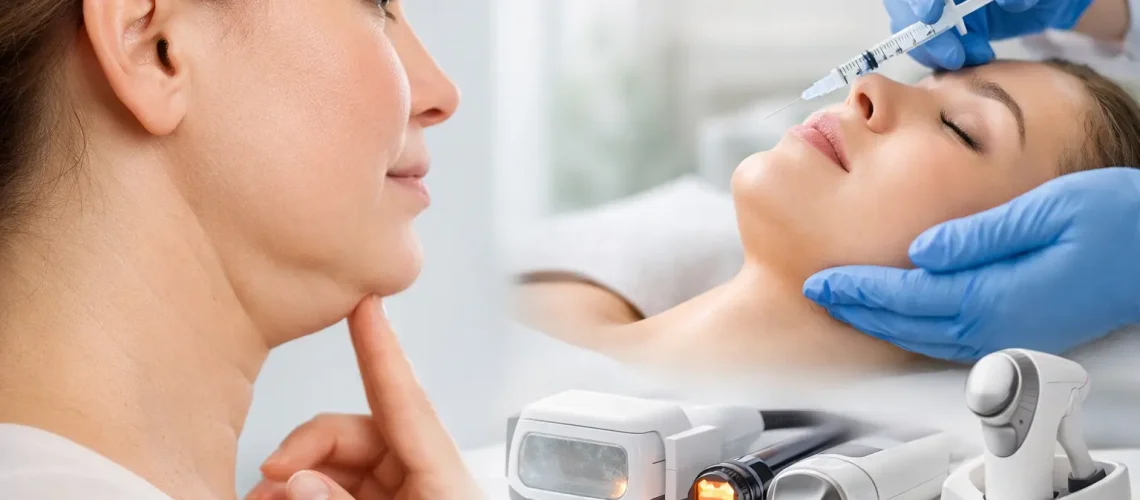
A soft jawline can change the way your whole face feels in the mirror. For many people, fullness under the chin is one of those concerns that seems to appear gradually, then suddenly becomes the first thing they notice in photos, video calls, and everyday reflection. If you are searching for the best treatment for double chin concerns, the right answer usually is not one trendy procedure. It is the treatment that matches why the area looks fuller in the first place.
What causes a double chin?
A double chin is not always about weight gain, and that is where many people get frustrated. Submental fullness, the clinical term for fullness beneath the chin, can be influenced by genetics, natural aging, skin laxity, posture, and overall body composition. Some clients are at a healthy weight and still feel like their profile looks heavy. Others notice that after weight loss, the area under the chin remains softer than the rest of the face.
That is why a personalized consultation matters. The tissue under the chin may be mostly fat, but it can also involve loose skin, reduced structural support, or a combination of both. Treating the wrong issue leads to disappointing results, even when the treatment itself is high quality.
The best treatment for double chin depends on the cause
When clients ask for the best treatment for double chin improvement, they are often hoping for one universal answer. In reality, the best option depends on three things: how much fullness is present, whether the skin still has elasticity, and how much change the client wants to see.
If the main issue is a pocket of fat beneath the chin, a fat-reduction treatment may be appropriate. If the area looks fuller because the skin has loosened with age, tightening treatments may be a better fit. And if both fat and laxity are involved, combination care often creates the most balanced and natural-looking outcome.
Injectable fat-reduction treatments
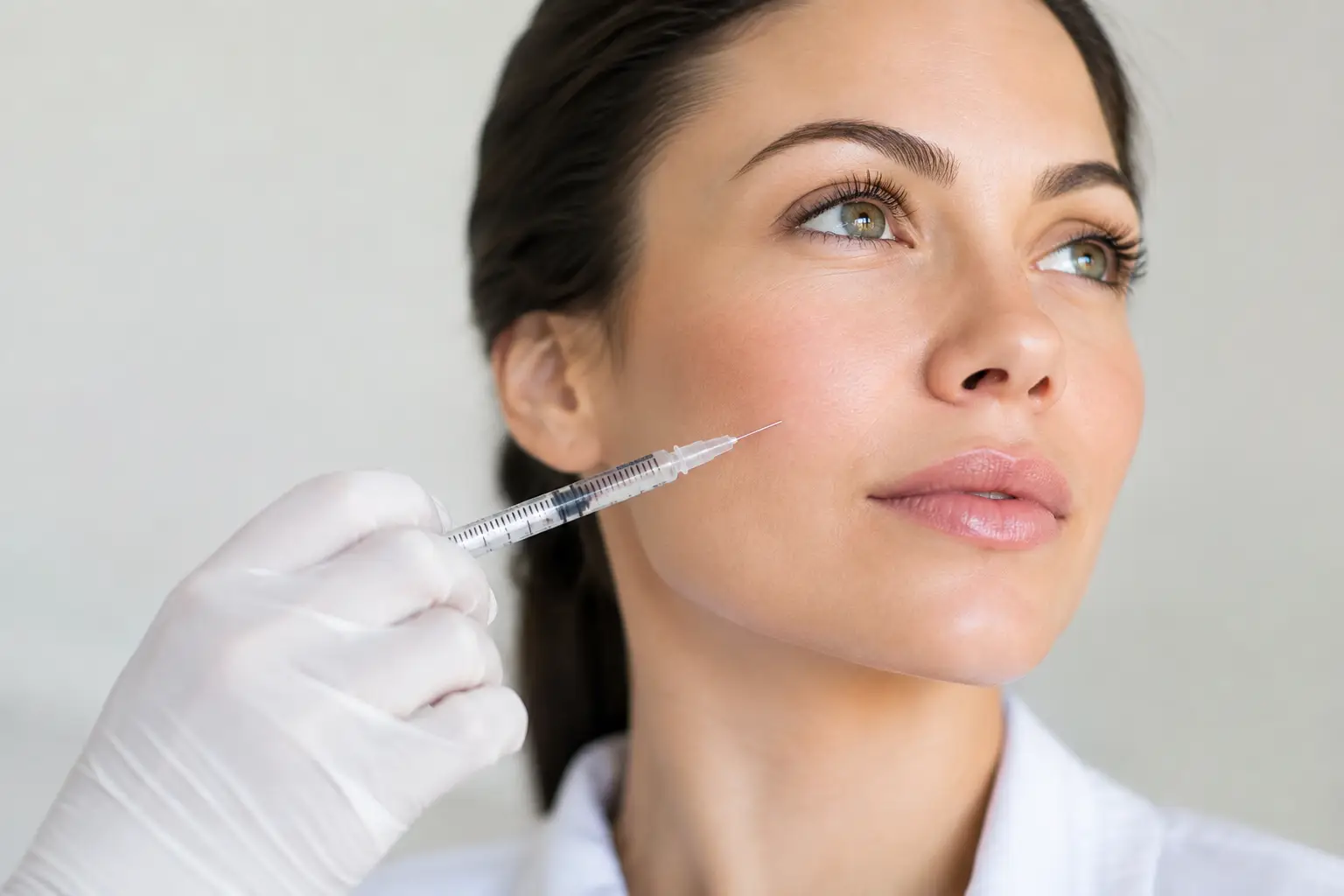
For clients with moderate submental fat and decent skin elasticity, injectable fat-dissolving treatments are often one of the most appealing non-surgical options. These treatments are designed to break down fat cells in the targeted area under the chin so the body can gradually process and eliminate them.
The appeal is easy to understand. There is no surgery, no general anesthesia, and results can look refined rather than abrupt. The trade-off is that results are not instant. Most people need a series of treatments, and swelling afterward is common. That swelling is temporary, but it does require planning around social events and work schedules.
This option tends to work best for clients who have a defined pocket of fat and are comfortable with gradual improvement. It is less ideal for someone with significant loose skin or someone who wants a dramatic change in the shortest possible timeline.
Body contouring and skin-tightening technology
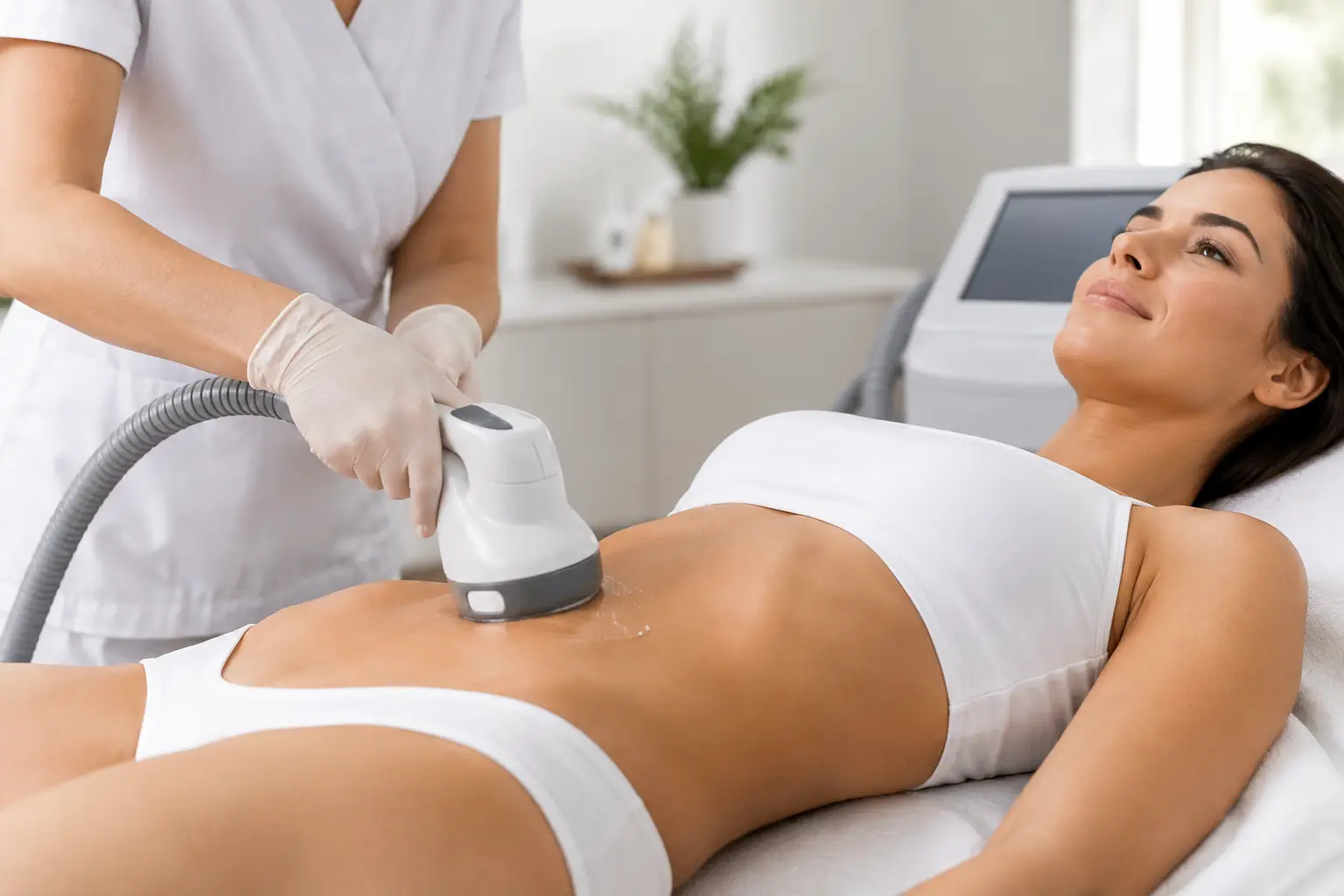
Non-surgical contouring devices can also be helpful, especially when the concern is mild to moderate fullness paired with early skin laxity. Depending on the technology used, these treatments may target fat, stimulate collagen, or do a bit of both.
For the right candidate, this approach can gently refine the profile while supporting firmer-looking skin over time. The results usually build slowly, which many clients appreciate because the change feels natural. The limitation is that subtle treatments create subtle outcomes. They are wonderful for refinement, but they are not always enough for advanced fullness or more pronounced tissue laxity.
Weight loss support when fullness is part of a bigger picture
Sometimes a double chin is part of overall weight gain, and treating only the chin may not give the client the harmony they want. In those cases, medically guided weight loss support can play an important role. As the face and body lean out, the jawline often becomes more defined.
That said, weight loss alone does not always solve the issue. Genetics can keep fat stored under the chin even after significant progress elsewhere, and weight loss can sometimes reveal skin laxity that was less visible before. This is another reason thoughtful treatment planning matters. A slimmer face does not always mean a tighter jawline.
When skin laxity is the real issue
Fullness under the chin is not always extra fat. Sometimes the area looks heavy because the skin and supporting tissues have relaxed. This is especially common as collagen declines with age. The chin-neck angle softens, the jawline loses crispness, and what looks like a double chin may actually be more about tissue descent than volume.
In this situation, skin-tightening treatments may offer better value than fat reduction alone. Collagen-stimulating services can improve the firmness and texture of the area over time, leading to a more elegant profile. Results are usually progressive, and patience matters. These treatments are often best for clients who want a refreshed appearance, not an overly aggressive change.
Are exercises or at-home tools enough?
Many people try chin exercises, jade rollers, sculpting devices, or firming creams before booking a consultation. While these options may temporarily reduce puffiness or improve the feeling of skin care consistency, they generally do not remove submental fat in a meaningful way.
That does not mean they are useless. At-home care can support skin health and help clients feel proactive. But if the concern is a visible pocket of fat or noticeable laxity, home remedies are usually not the best treatment for double chin correction. They tend to maintain, not transform.
Who is a good candidate for non-surgical treatment?
The ideal candidate is someone with realistic expectations, good overall health, and a clear understanding of what non-surgical treatment can and cannot do. Mild to moderate fullness usually responds better than severe fullness. Younger skin often tightens more easily, but age alone does not determine eligibility.
A strong consultation should cover facial anatomy, skin quality, medical history, treatment goals, and timeline. Some clients want subtle contouring before an event season. Others want a longer-term plan that improves the chin, jawline, and lower face together. The most satisfying results usually come from treating the face as a whole, not chasing one isolated feature.
How to choose the best treatment for double chin concerns
Start by asking a better question than What is the most popular treatment? Ask What is causing my concern, and what kind of result do I want? Those two answers shape almost everything.
If you want gradual improvement with minimal disruption, a non-surgical fat-reduction or contouring approach may be ideal. If your skin feels looser than it used to, collagen-focused treatments may make more sense. If your lower face has changed in several ways at once, a layered plan may be the most elegant option.
This is where expertise makes a visible difference. An experienced provider should not push one signature service for every face. They should explain why a treatment fits, where it may fall short, and whether combination care would give you a more balanced result.
What results should you realistically expect?
Natural-looking improvement is often the goal, especially for clients who want to look refreshed rather than obviously treated. With the right non-surgical plan, the area under the chin can appear smoother, the jawline can look cleaner, and facial proportions can feel more polished.
But realistic expectations are essential. Non-surgical treatments can create impressive refinement, yet they do not replicate surgery. If someone has significant skin laxity or a large amount of submental fullness, a surgical solution may create the most dramatic result. A trustworthy provider will say that clearly instead of overpromising.
For many clients, though, subtle to moderate contouring is exactly what they want. A softer improvement can be more flattering, more comfortable, and easier to maintain over time.
Why a personalized plan matters most
The best treatment plan is often not the most aggressive one. It is the one that respects your features, your comfort level, and the kind of beauty you want to maintain. That is especially true in aesthetic care, where natural balance matters more than chasing perfection.
At Envious Aesthetics Medspa, that personalized approach matters because no two profiles age the same way. One client may benefit from targeted fat reduction, while another may see a better result from tightening support or broader facial rejuvenation. The goal is not to make you look different. It is to help you feel more confident in the features that already belong to you.
If your double chin has been bothering you, the next step does not have to be dramatic. It simply has to be informed. A thoughtful consultation can give you clarity, a realistic plan, and the reassurance that the best result is usually the one designed specifically for your face.

No comment yet, add your voice below!