

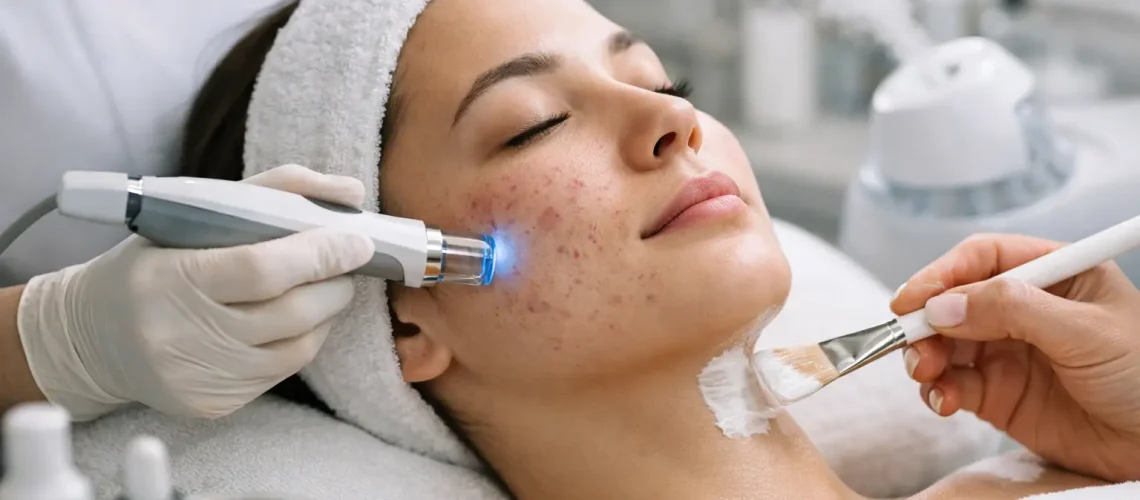
If you have ever looked in the mirror and felt like your breakouts are long gone but the reminders stayed behind, you are not alone. Finding the best facial for acne scars usually starts with one frustrating realization – acne scars are not all the same, so the right treatment should not be one-size-fits-all either.
Some scars are indented. Some leave behind lingering red or brown marks. Some create uneven texture that makeup never quite smooths over. That is why a thoughtful facial plan can make such a difference. The goal is not to chase a trend or book the most aggressive service on the menu. It is to choose a treatment that fits your skin, your scar type, and your comfort level.
What makes acne scars difficult to treat
Acne scarring can be stubborn because it affects the skin in different ways. True scars often form when inflammation damages collagen, leaving behind shallow or deeper depressions in the skin. Post-acne discoloration is different. Those red, pink, brown, or purple marks are not always permanent scars, but they can still make skin look uneven for months.
This matters because the best facial for acne scars depends on what you are actually treating. A brightening facial may help discoloration, but it will not do much for pitted texture. A resurfacing treatment may improve texture, but it may not be the best first step if your skin is highly sensitive or still actively breaking out.
That is where professional guidance matters. The most effective results usually come from matching the treatment to the concern instead of trying to force one facial to solve everything at once.
Best facial for acne scars: the answer depends on scar type
For many clients, the most effective facials for acne scars fall into the resurfacing and collagen-supporting category. These treatments work by encouraging cell turnover, improving texture, and helping skin renew itself more evenly over time.
If your main concern is post-acne marks and dullness, a chemical peel facial is often one of the best places to start. A well-chosen peel can gently exfoliate the surface, fade discoloration, and improve overall smoothness. Lighter peels tend to have less downtime and can be ideal for clients who want gradual improvement with a polished, refreshed look.
If your concern is uneven texture or shallow acne scarring, microneedling is often one of the strongest options. It helps stimulate collagen production below the surface, which can soften the appearance of indented scars over a series of treatments. It is not an instant fix, and it usually works best as part of a treatment plan, but it can offer meaningful improvement in skin texture.
For some clients, hydrating and clarifying facials also play an important supporting role. They may not erase established scars, but they can calm congestion, reduce buildup, and keep the skin healthier while corrective treatments do their work. Sometimes maintaining skin balance is what helps your results stay on track.
Chemical peels for acne scars
Chemical peels are a favorite for a reason. They can address post-inflammatory hyperpigmentation, rough texture, clogged pores, and overall skin dullness in a way that feels both corrective and refreshing.
A peel works by removing damaged outer layers of skin so newer skin can come forward more evenly. For clients with mild acne scarring or discoloration, this can create a smoother and brighter appearance over time. The exact peel matters, though. Stronger is not always better.
A customized approach is especially important for deeper skin tones, sensitive skin, or anyone prone to irritation. The wrong peel strength or formula can create more inflammation, which is the opposite of what scar-prone skin needs. In a professional setting, your provider can choose an option that supports visible improvement while protecting the skin barrier.
Chemical peels are often best for discoloration and mild textural changes. They are less likely to dramatically improve deeper boxcar or ice pick scars on their own, but they can still be an excellent part of a broader skin-renewing plan.
When peels are a strong choice
Peels tend to be a strong option if your skin looks marked, uneven, or dull after acne, but does not have deep pitting. They also appeal to clients who want a series-based treatment with manageable downtime.
Microneedling for pitted acne scars
If you are dealing with indented acne scars, microneedling is often one of the most worthwhile treatments to discuss. It creates controlled micro-injuries in the skin, which signals the body to produce more collagen and elastin. Over time, that remodeling process can help the skin look smoother and firmer.
This is why microneedling is often considered one of the best facial options for acne scars with texture. It treats below the surface rather than only polishing the top layer. Improvement is gradual, which is actually a good thing. Natural-looking skin renewal tends to happen in stages.
That said, microneedling is not ideal for every situation. If you have active inflamed acne, a compromised skin barrier, or certain skin conditions, your provider may recommend waiting or starting with calming treatments first. Good timing matters just as much as the treatment itself.
Most clients need a series to see meaningful change. One session may give the skin a fresher look, but a sequence of treatments is usually what helps soften scars more noticeably.
Facials that help acne-prone skin without overstripping it
Sometimes the question is not just how to fade old scars, but how to prevent new ones from forming. In that case, a customized acne-focused facial can be incredibly helpful.
These facials usually focus on deep cleansing, gentle exfoliation, congestion relief, and hydration. They support clearer skin while reducing the kind of inflammation that can lead to lingering marks. They are especially useful if your skin is oily, reactive, or stuck in a cycle of breakout, irritation, and post-acne discoloration.
What they do not usually do is erase established pitted scars by themselves. That is the trade-off. They are excellent for skin health, maintenance, and prevention, but they are often better as a complement to corrective treatments than as the only solution.
How to choose the best facial for acne scars for your skin
The right treatment starts with three questions: What kind of scarring do you have, is acne still active, and how much downtime are you comfortable with?
If your biggest concern is dark or red marks, a series of professional peels or brightening facials may be the most comfortable and effective starting point. If your concern is texture, microneedling may offer a better return. If your skin is still breaking out regularly, calming and clarifying facials may need to come first so you are not trying to correct scars while new inflammation keeps happening.
Skin tone matters too. Certain treatments need to be selected carefully for melanin-rich skin to reduce the risk of post-treatment pigmentation changes. Sensitivity, medications, recent sun exposure, and your home skincare routine can all influence what is safest and smartest.
This is why personalized treatment planning matters so much in a medspa setting. At Envious Aesthetics Medspa, the best results come from looking at the whole picture instead of chasing a quick fix.
What to expect from treatment results
One of the most reassuring things to know is that acne scars can improve, even if they do not disappear overnight. Skin renewal is a process. Most corrective facials work cumulatively, which means each treatment builds on the one before it.
You may notice brighter tone and smoother skin after a peel fairly quickly, while collagen-focused treatments like microneedling tend to reveal more change gradually over several weeks. That slower pace can actually create a very natural result – fresher, more refined skin that still looks like you.
It also helps to have realistic expectations. Deep scars often improve rather than vanish completely. But even softening the depth of a scar, brightening leftover marks, and smoothing overall texture can make a meaningful difference in how your skin looks and how you feel in it.
The role of home care after your facial
Professional treatments do a lot, but aftercare matters. Daily sunscreen is one of the most important steps because UV exposure can make post-acne marks linger longer and can interfere with your results. A gentle cleanser, supportive moisturizer, and provider-recommended active ingredients can also help maintain progress between visits.
What usually hurts progress is doing too much. Over-exfoliating at home, layering harsh acne products, or trying every trending treatment at once can leave skin irritated and more reactive. Scar-prone skin often responds best to consistency, not aggression.
If you are searching for the best facial for acne scars, the most helpful next step is not choosing the harshest option. It is choosing the smartest one for your skin today, with a plan that supports where you want your skin to be a few months from now.

No comment yet, add your voice below!