


When your makeup starts sitting unevenly, your skin feels rough in certain areas, or your glow seems harder to find, texture is often the real issue. If you have been wondering how to improve skin texture, the answer is rarely one single product or one quick treatment. Smoother, more refined skin usually comes from the right combination of home care, professional guidance, and consistency.
Texture concerns can show up in different ways. For some people, it looks like dry, flaky patches. For others, it is enlarged pores, acne bumps, post-breakout marks, or a generally uneven surface that keeps skin from looking polished and fresh. The good news is that texture can often improve beautifully with a personalized approach.
What causes uneven skin texture?
Skin texture changes for many reasons, and understanding the cause matters because the best solution depends on what is creating the problem in the first place. Dead skin buildup is one of the most common culprits. When skin is not shedding efficiently, the surface can start to feel dull, rough, and congested.
Breakouts can also leave texture behind, even after the inflammation settles. Small bumps, clogged pores, and post-acne irregularities tend to make skin feel less smooth. Sun exposure is another major factor. Over time, it can contribute to dryness, roughness, and a less even overall appearance.
There is also the natural aging process. As collagen production slows, skin may not bounce back the same way it once did. That can lead to fine lines, looser-looking pores, and a surface that feels less refined. In other cases, overusing harsh products causes irritation and barrier damage, which can make texture worse instead of better.
How to improve skin texture at home
If you want smoother skin, your daily routine matters more than most people realize. The goal is not to overwhelm your skin with strong actives all at once. It is to support healthier cell turnover while protecting the skin barrier.
Start with a gentle cleanser that removes buildup without leaving your skin tight or stripped. Cleansing should leave your skin feeling fresh, not squeaky. When the barrier is compromised, skin often becomes rougher, more reactive, and harder to calm.
Exfoliation can make a noticeable difference, but this is where balance matters. Chemical exfoliants such as alpha hydroxy acids and beta hydroxy acids can help dissolve dead skin buildup and improve clarity. They tend to work more evenly than harsh scrubs, which can create micro-irritation if used too aggressively. If your skin is sensitive, less is often more.
Hydration is another essential piece. Textured skin is not always oily or congested. Sometimes it is dehydrated and struggling to hold moisture. A well-formulated moisturizer can soften rough areas, support the barrier, and help skin look smoother overall. Ingredients such as hyaluronic acid, ceramides, and glycerin are especially helpful for maintaining comfort and balance.
Retinol and retinoid-based products are often recommended for texture because they support cell turnover and can improve the look of pores, fine lines, and uneven surface changes over time. That said, they are not a fit for everyone right away. Some people need to start slowly, and others may do better with professional guidance before adding them in.
And then there is sunscreen, which is not optional if texture improvement is the goal. Daily UV exposure can quietly undo progress. Broad-spectrum sun protection helps preserve results, prevent roughness from worsening, and support a more even, radiant finish.
The biggest mistakes that can keep texture from improving
Many people try to fix texture by doing too much too fast. Layering exfoliating acids, retinol, scrubs, and drying acne products in the same routine can leave skin inflamed and more uneven than before. When skin is irritated, it often becomes bumpy, red, and unpredictable.
Another common issue is expecting instant change. Texture improvement usually happens gradually. Skin needs time to respond, especially if concerns have built up over months or years. A routine that is gentle, consistent, and tailored to your skin type tends to work better than an aggressive routine you cannot maintain.
Picking at the skin is another setback. It can create more unevenness, prolong healing, and increase the chance of lingering marks or scarring. If breakouts are part of the texture issue, treating the underlying cause is far more effective than trying to force quick fixes.
Professional treatments can accelerate results
At-home skincare can absolutely help, but some texture concerns need a deeper level of treatment. Professional services can target buildup, dullness, congestion, and early signs of aging in a more efficient and customized way.
Facials are often an excellent starting point, especially for clients who want to refresh rough or tired-looking skin without jumping into something overly aggressive. A well-chosen facial can deeply cleanse, hydrate, and gently resurface the skin while supporting relaxation at the same time. For mild texture concerns, that alone can create a smoother, more luminous look.
For more stubborn unevenness, chemical peels may be a strong option. Peels can improve skin texture by encouraging exfoliation and renewal, helping with dullness, acne-related congestion, and uneven surface tone. The right peel depends on your skin type, sensitivity level, and goals. Stronger is not always better. A series of carefully selected treatments often gives more elegant, natural-looking results than one overly intense session.
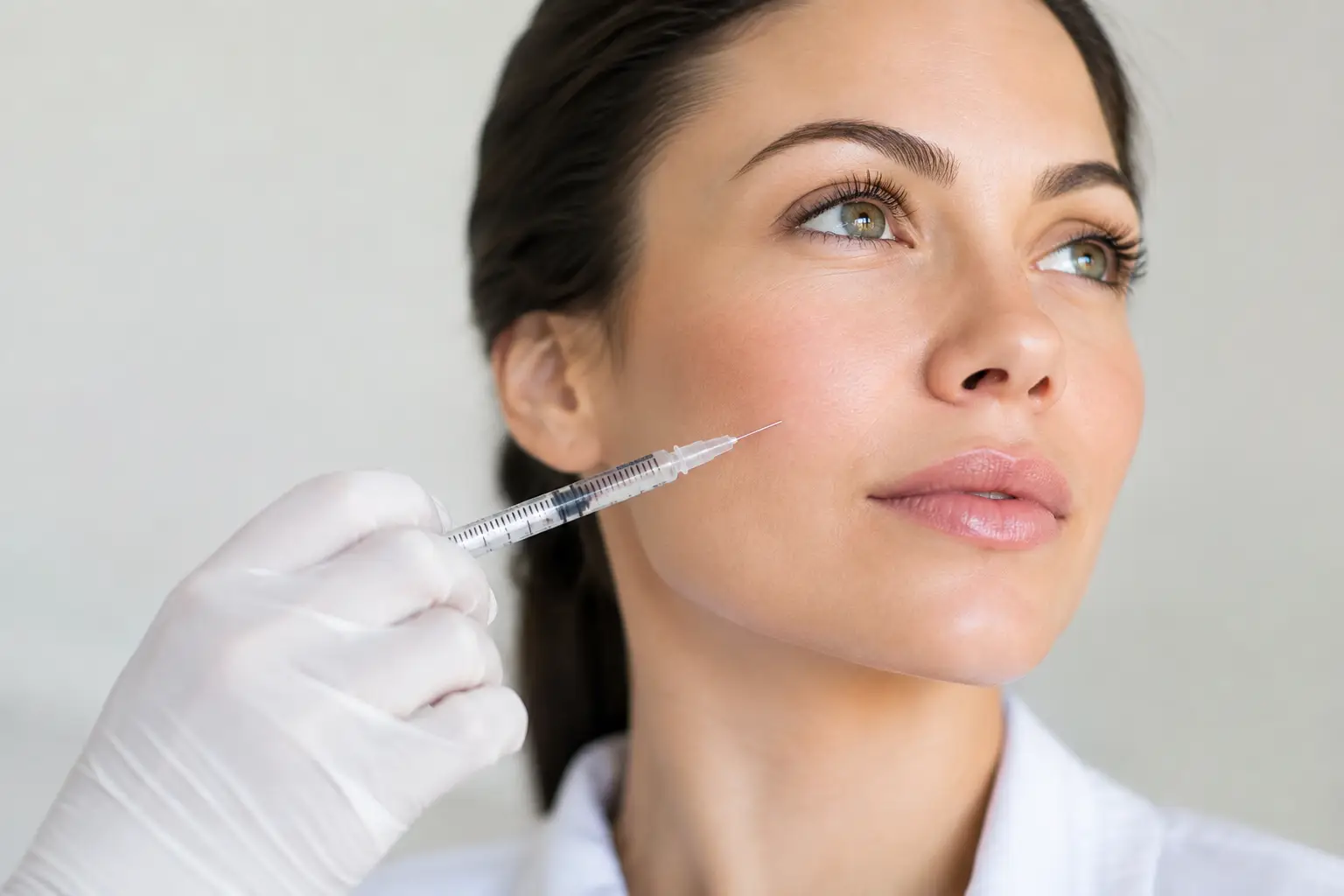
Microneedling is another treatment many people consider when texture changes are linked to acne scarring, enlarged pores, or early collagen loss. By stimulating the skin’s natural repair response, microneedling can help refine the surface over time. It is especially appealing for clients who want visible improvement while still keeping results natural and skin-focused.
Some clients also benefit from medical-grade skincare recommended as part of a treatment plan. That combination of in-office care and strategic home maintenance can make results more consistent and longer lasting.
How to improve skin texture based on your skin concern
Texture is not one-size-fits-all, and neither is treatment. If your skin feels rough because it is dry, the answer may be barrier repair and hydration more than exfoliation. If you are dealing with clogged pores and small bumps, controlled exfoliation and clarifying treatments may be more helpful.
If post-acne texture is the issue, collagen-supporting treatments often become more important. If sun damage is part of the picture, your plan may need to focus on gentle resurfacing paired with diligent daily protection. And if your skin is reactive or sensitive, the first goal may simply be calming inflammation before introducing stronger corrective steps.
This is where a personalized consultation makes such a difference. Instead of guessing which treatment or product might help, you can get guidance based on what your skin is actually doing now, not what worked for someone else online.
Why personalized care matters
Beautiful skin rarely comes from chasing trends. It comes from choosing treatments and products that fit your skin, your lifestyle, and your comfort level. Some clients want gradual, low-downtime improvement. Others are ready for a more corrective treatment series. Both approaches can be valid when they are chosen thoughtfully.
That is why the best aesthetic care feels both expert and reassuring. You should feel informed, never rushed. You should understand what is causing your texture concerns, what kind of results are realistic, and what maintenance will help protect your investment.
At Envious Aesthetics Medspa, that tailored approach is part of what makes skin rejuvenation feel elevated rather than overwhelming. When care is customized, results tend to look smoother, fresher, and beautifully natural.
What kind of timeline should you expect?
This depends on the severity of the texture issue and the approach you choose. Mild dryness or surface dullness may improve within a few weeks of using better products and getting regular facials. Congestion, acne-related texture, and collagen-related changes usually take longer.
Professional treatments often work best as part of a series, with progress building over time. That may feel less dramatic than a quick fix promise, but it is usually the more realistic path to refined, healthy-looking skin. Lasting improvement is often about rhythm, not urgency.
If you are trying to figure out how to improve skin texture, start by being honest about what you are seeing and how patient you are willing to be. Smooth, radiant skin is absolutely possible, but it responds best to consistency, restraint, and a plan designed for you. Sometimes the most beautiful results come not from doing more, but from finally doing what your skin has been asking for all along.

1 Comment
[…] you are more concerned with rough texture, mild congestion, or a complexion that looks tired despite a good home routine, microdermabrasion […]